
Key Takeaways
- The best way to reduce packaging waste is to remove unnecessary material without compromising product protection.
- Right-size boxes and use efficient protective materials to reduce empty space and excess packaging.
- Choose recyclable or reusable materials where they provide suitable protection.
- Test packaging before making large-scale changes to avoid increasing shipping damage.
- Track packaging efficiency, product damage and material usage together to find the right balance.
Packaging plays an important role in protecting products during storage, handling and delivery. However, using more material does not always mean better protection. Oversized boxes, excessive void fill and unnecessary layers can increase packaging waste, shipping costs and environmental impact.
For UK businesses, finding the right balance between protection and material reduction is becoming increasingly important. The goal is not simply to use less packaging, but to use the right packaging for the product, delivery method and level of risk. Here are practical ways to reduce packaging waste without increasing shipping damage.
1. Start With a Packaging Audit
- Before changing your packaging, understand where waste is actually being created.
- Review the packaging used for your most frequently shipped products. Look at box sizes, protective materials, tape, plastic bags, inserts and void-fill materials. Measure how much material is used for each order and compare it with the product dimensions.
- You may find that some products are shipped in boxes that are considerably larger than necessary. Others may use multiple layers of protection even though a simpler solution would provide the same level of safety.
- A packaging audit gives you a clear starting point for improving packaging efficiency without making changes based on assumptions.
2. Use Right-Sized Packaging
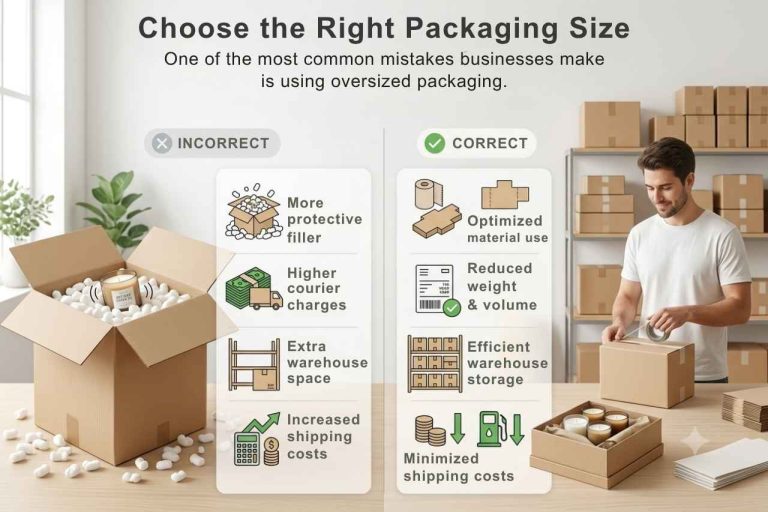
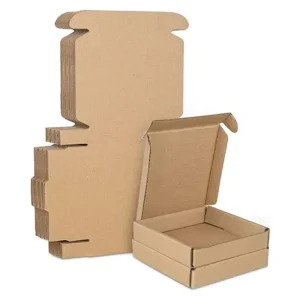
One of the simplest ways to reduce packaging waste is to choose packaging that closely matches the product.
Oversized cartons create unnecessary empty space. This often means using additional bubble wrap, paper or other void-fill materials to stop products moving during transportation.
Right-sized boxes can reduce the amount of material required while also helping products remain stable inside the package.
However, avoid making the packaging too tight. There should be enough space for suitable protective material where required, particularly around fragile or high-value products.
3. Reduce Empty Space Without Removing Protection
Empty space is not automatically waste, but excessive empty space can create avoidable packaging requirements.
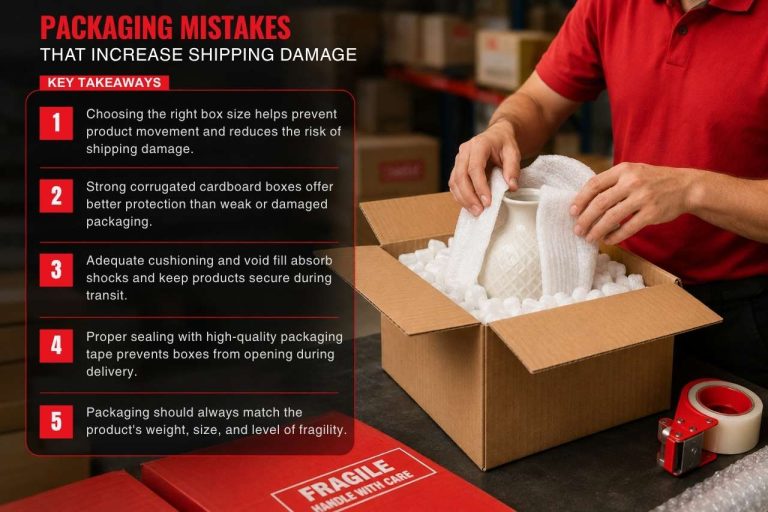
Instead of simply removing protective material, consider how the product moves inside the box. If it can shift significantly during handling, damage may occur even when the outer packaging looks strong.
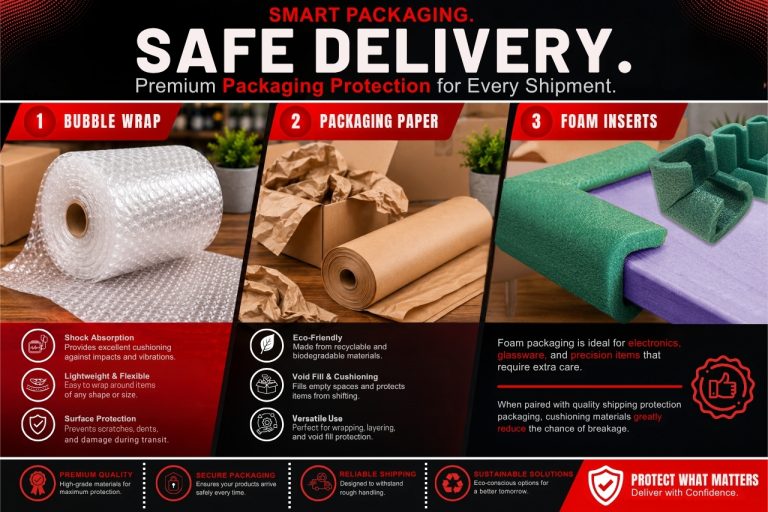
Use appropriately sized void fill or protective inserts to keep products secure. For some products, paper-based void fill may provide a practical alternative to unnecessary layers of plastic.
The objective is eco packaging that protects the product, rather than packaging that is environmentally preferable but unsuitable for the shipping conditions.
4. Choose Materials Based on Product Risk
Different products require different levels of protection. A lightweight clothing item does not need the same packaging approach as glassware, electronics or precision equipment.
Create packaging specifications based on factors such as:
- Product weight
- Fragility
- Shape and dimensions
- Moisture sensitivity
- Delivery distance
- Handling requirements
- Stacking and storage conditions
This approach can help businesses avoid over-packaging low-risk products while maintaining stronger protection where it is genuinely needed.
5. Consider Sustainable Packaging Options
Switching to sustainable packaging can help reduce environmental impact, but material selection should always consider performance.
Depending on the product, businesses may consider recyclable cardboard, paper-based protective materials, reusable packaging or packaging made with recycled content.
The important point is that sustainable packaging should still perform its primary function: protecting the product.UK packaging rules also emphasise that packaging should use the minimum amount of material needed to keep the product safe and hygienic.
This means sustainability and product protection should not be treated as competing objectives. Good packaging design aims to achieve both.
6. Test Before Removing Packaging
One of the biggest mistakes businesses can make is immediately removing protective material without testing the result.
Before introducing a new packaging format, conduct practical shipping tests. Check whether products remain secure after movement, stacking, handling and transportation.
Compare the results with your existing packaging. Monitor product damage, customer complaints and returns after implementation. If damage increases, the cost of replacing products and handling returns may outweigh the material savings.
Testing allows you to reduce packaging waste based on evidence rather than simply reducing the amount of packaging.
7. Standardise Packaging Where Practical
Businesses with many different packaging formats may benefit from reducing unnecessary variation.
For example, instead of maintaining numerous carton sizes that are rarely used, identify the most common product dimensions and select a smaller range of efficient packaging formats.
Standardisation can make packing operations easier, reduce storage requirements and improve purchasing efficiency.
However, standardisation should not mean putting every product into the same box. The objective is to find a practical range of sizes that covers the majority of shipping requirements.
8. Measure Packaging Efficiency
You cannot improve what you do not measure.
Track useful indicators such as:
- Packaging material used per shipment
- Packaging cost per order
- Product damage rate
- Returns caused by shipping damage
- Average box size
- Percentage of recyclable packaging
- Customer complaints related to packaging
Review these figures regularly. A packaging change should ideally reduce material usage or cost while maintaining the same or better product protection.
This creates a more reliable approach to improving packaging efficiency over time.
9. Think Beyond the Box
Reducing packaging waste is not only about choosing a smaller carton.
Look at the complete packaging system, including tape, labels, protective inserts, bags, void fill and secondary packaging. Small changes across multiple components can create a meaningful reduction in total material use.
For example, eliminating unnecessary inserts or reducing excessive void fill may have a bigger impact than changing the main carton. Businesses should therefore assess the entire packaging journey rather than focusing on one material in isolation.
10. Make Waste Reduction Part of Packaging Design
The most effective approach is to consider waste reduction before packaging reaches the warehouse.
When introducing a new product or changing an existing product, consider packaging dimensions, material requirements, recyclability and transportation from the beginning.
For UK businesses, this is particularly relevant as Extended Producer Responsibility (EPR) for packaging places greater emphasis on producer responsibility and provides incentives to reduce unnecessary packaging and support recycling.
Final Thoughts
The goal of eco packaging should not simply be to use the smallest possible amount of material. Effective packaging protects the product while using materials efficiently and creating less unnecessary waste.
By auditing current packaging, choosing right-sized formats, matching protection to product risk, testing new designs and monitoring performance, businesses can reduce packaging waste without creating more shipping damage.
The best packaging solution is one that provides the necessary protection with no unnecessary material. This balance can help businesses improve sustainability, control packaging costs and create a more efficient shipping operation.