
Key Takeaways
- Packing tape vs duct tape comes down to purpose, adhesion, application and the type of package being sealed.
- Packing tape is specifically designed for sealing cardboard boxes and parcels.
- Duct tape is versatile and strong, but is generally better suited to repairs, reinforcement and maintenance.
- Wide, strong packing tape can provide a reliable seal across box seams and edges.
- Heavy or fragile parcels may require stronger boxes, internal protection and reinforced sealing.
- Always choose tape according to the box, contents and shipping conditions.
When preparing a parcel for delivery, choosing the right tape can make a big difference. A box may look secure when it leaves your hands, but it can experience handling, movement, pressure and changes in temperature during transit. This is why many people ask about packing tape vs duct tape when deciding how to seal a shipping box.
Although both tapes are strong and useful, they are designed for different purposes. For most everyday shipping applications, packaging tape, also called shipping tape or box sealing tape, is the more practical choice. Duct tape can be useful for repairs and reinforcement, but it is not normally the first choice for sealing standard cardboard boxes.
What Is Packing Tape?
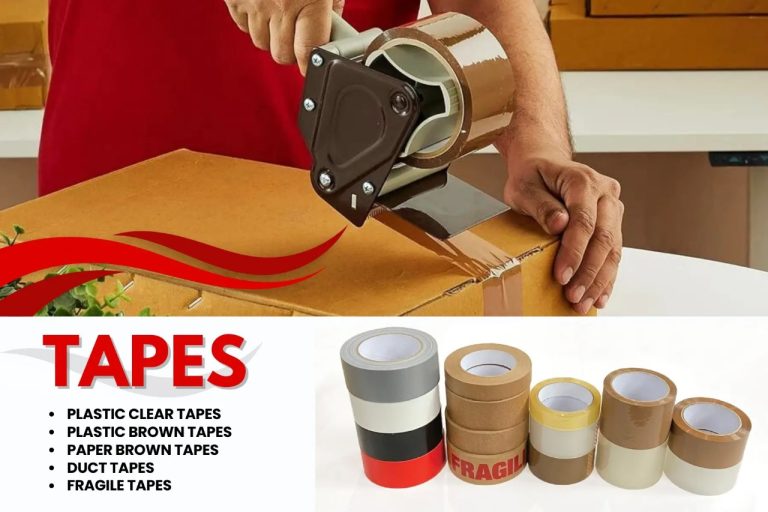
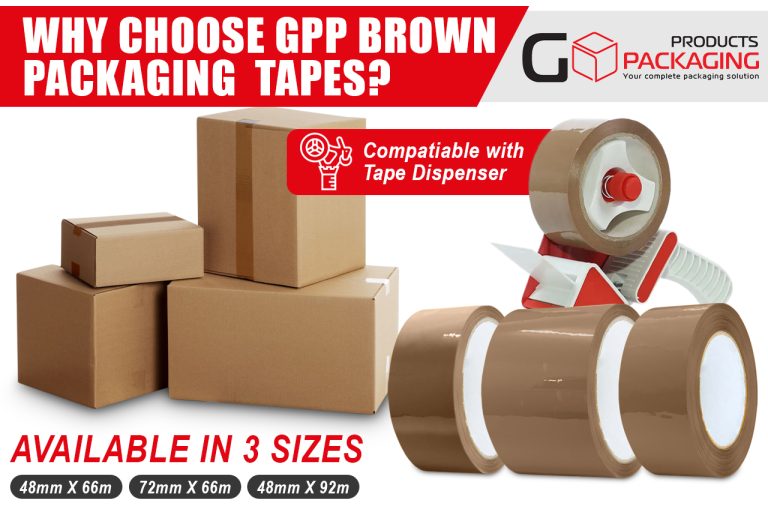
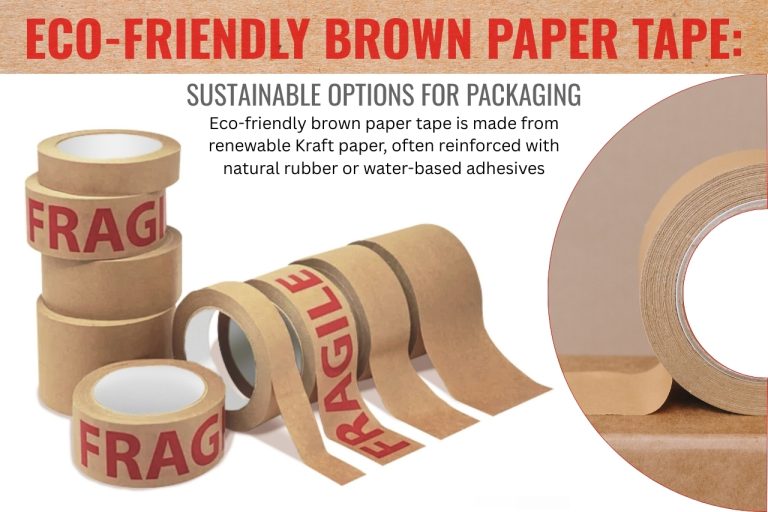
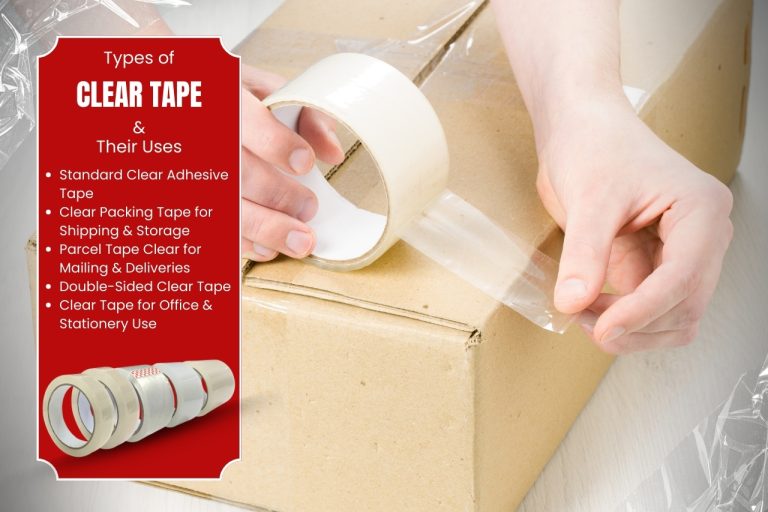
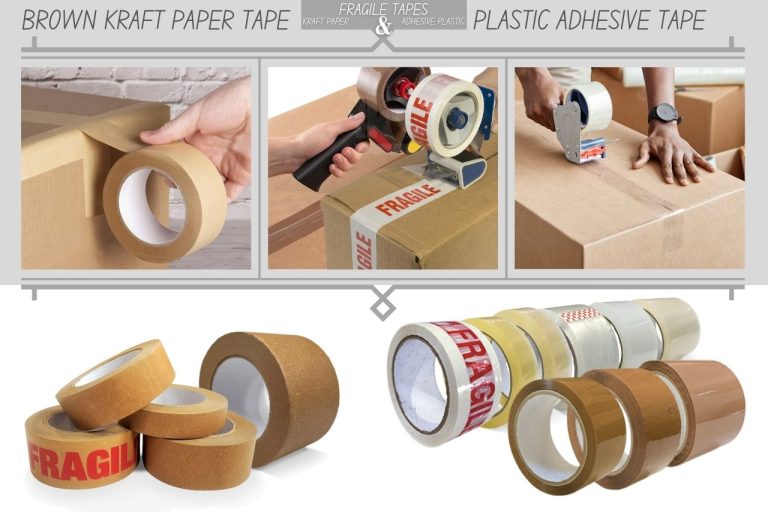
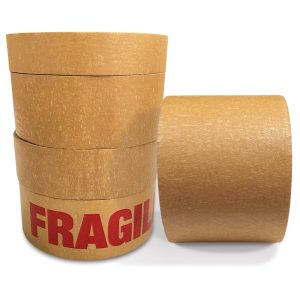
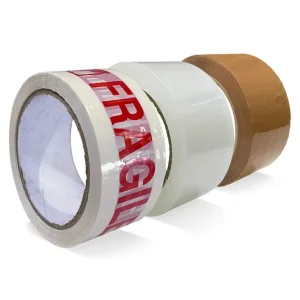
Packing tape is a pressure-sensitive adhesive tape designed primarily for packaging and sealing cartons. It is commonly available in clear, brown and other formats and can be applied manually or with a tape dispenser.
The main advantage of packaging tape is its suitability for cardboard. It is designed to create a continuous seal over box flaps, making it particularly useful for ecommerce orders, business shipments, household moves and everyday parcel deliveries.
For UK shipping, using a suitable box and sealing it properly is important. Royal Mail recommends using strong, wide packing tape to seal seams and edges and suggests double-taping when additional security is required.
What Is Duct Tape?
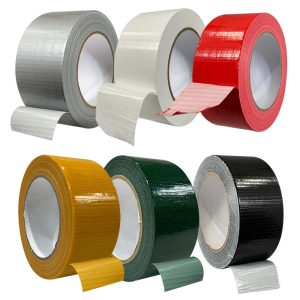
Duct tape is a highly versatile adhesive tape traditionally recognised by its fabric-reinforced construction and strong adhesive. It is commonly used for temporary repairs, maintenance, bundling and reinforcement.
Its strength makes it tempting to use duct tape for shipping boxes. However, strength alone does not necessarily make a tape the best option for packaging.
Duct tape can be harder to apply neatly across large cardboard seams, and its construction and adhesive properties are designed around versatility rather than specifically optimising carton sealing.
For this reason, duct tape is often more useful as a supporting or repair material than as your main box sealing tape.
Packing Tape vs Duct Tape: Main Differences
The biggest difference in packing tape vs duct tape is their intended application.
| Feature | Packing Tape | Duct Tape |
|---|---|---|
| Main purpose | Sealing boxes and parcels | Repairs and general-purpose applications |
| Best surface | Cardboard and packaging | Multiple surfaces |
| Application | Quick and clean | Strong but often less packaging-focused |
| Appearance | Usually neat and unobtrusive | Often more noticeable |
| Best for shipping | Yes | Usually secondary |
| Typical use | Box seams, cartons and parcels | Repairs, reinforcement and temporary fixes |
If you are sending standard cardboard boxes through a courier or postal service, packing tape is usually the more straightforward option.
Why Is Packing Tape Better for Shipping Boxes?
The primary reason is simple: it is made for the job.
A cardboard box needs a tape that can hold its flaps together along the main seams while remaining practical to apply. Shipping tape provides a convenient way to create this seal without adding unnecessary material or making the box difficult to handle.
Packing tape is also easy to cut, dispense and apply in long strips. This makes it particularly suitable for businesses processing multiple orders.
For fragile or heavier shipments, the tape should be considered part of a wider packaging system rather than the only protection. Royal Mail recommends robust boxes, appropriate cushioning and secure sealing for fragile items.
When Should You Use Duct Tape?
Duct tape still has its place.
It can be useful when you need to temporarily repair damaged packaging, reinforce a particular area or secure something that requires a stronger, more flexible adhesive tape.
For example, if a box has a small tear on an outer panel, duct tape may provide a practical repair. However, if you are packing a new carton for delivery, packaging tape is generally the better starting point.
It is also important not to rely on tape to compensate for a weak or unsuitable box. Royal Mail recommends checking boxes for damage and using robust packaging that can withstand the journey.
How to Seal a Shipping Box Properly
Choosing the right box sealing tape is only part of the process.
Follow these simple steps:
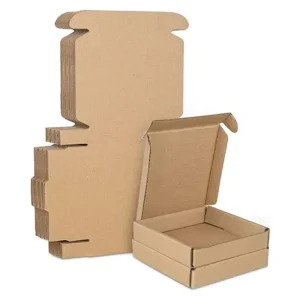
- Choose a suitable box: Select a sturdy cardboard box that is appropriate for the weight and size of the contents.
- Protect the contents: Use suitable cushioning where necessary to reduce movement inside the box.
- Close the flaps: Bring the main flaps together so the centre seam is properly aligned.
- Apply packing tape: Run a continuous strip of tape over the main seam.
- Reinforce where needed: For heavier boxes, add additional strips across vulnerable seams and edges.
- Check the seal: Make sure the tape is firmly attached and there are no loose sections.
Avoid overfilling the box. Excessive pressure from the contents can cause cardboard packaging to split, regardless of how strong the tape is. Royal Mail similarly advises against overpacking parcels.
Packing Tape vs Duct Tape: Which Should You Choose?
For most shipping boxes, packing tape is the better choice.
If your primary goal is to seal a cardboard carton for delivery, choose a good-quality packaging or shipping tape that is suitable for the size and weight of your parcel. Duct tape is better considered a versatile repair and reinforcement product.
For businesses sending regular orders, using the appropriate box sealing tape can also make packing faster and more consistent. A tape dispenser can further improve efficiency when multiple boxes need to be prepared.
The important thing is to consider the entire package. A strong tape cannot replace a weak box, inadequate cushioning or poor packing technique. The best results come from combining a suitable carton, internal protection and a reliable tape seal.
Final Verdict
The answer to packing tape vs duct tape is straightforward for most shipping situations: choose packing tape for sealing cardboard boxes.
Duct tape is strong and versatile, making it useful for repairs and reinforcement, but packaging tape is specifically suited to sealing cartons and preparing parcels for transit. Whether you are a small UK business, an ecommerce seller or simply sending a parcel, using the right shipping tape can help create a cleaner and more reliable package.