
Key Takeaways
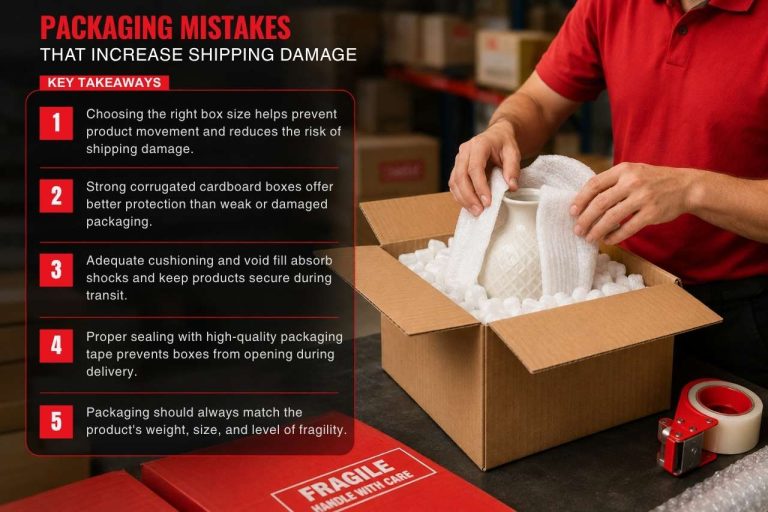
- Choose a strong, appropriately sized box for the item you are sending.
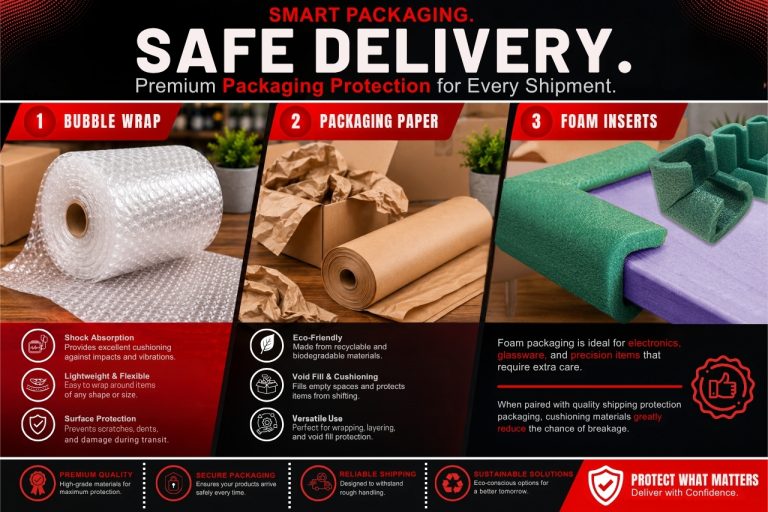
- Use bubble wrap and other protective materials to cushion fragile products.
- Fill empty spaces inside the box to prevent movement during transit.
- Seal the parcel securely with quality packing tape.
- Test the finished package before handing it over to the courier.
Shipping fragile items can be challenging. Whether you are sending glassware, ceramics, electronics, ornaments or other delicate products, poor packaging can lead to cracks, scratches or breakage during transit. The good news is that with the right approach to packing fragile items, you can significantly reduce the risk of damage.
From choosing a suitable box to using enough protective packaging, every step matters. This guide explains how to package delicate items safely and prepare them for shipping across the UK.
Why Proper Fragile Packaging Matters
Packages can be handled, moved and transported several times before reaching their destination. During this process, boxes may experience movement, pressure and accidental knocks.
Using suitable fragile packaging helps protect the contents from these everyday handling risks. A properly packed parcel should prevent the item from moving freely inside the box while providing enough cushioning around vulnerable areas.
Simply placing a fragile item in a cardboard box is usually not enough. The box needs to work together with suitable internal protection to create a secure packaging system.
Choose the Right Box
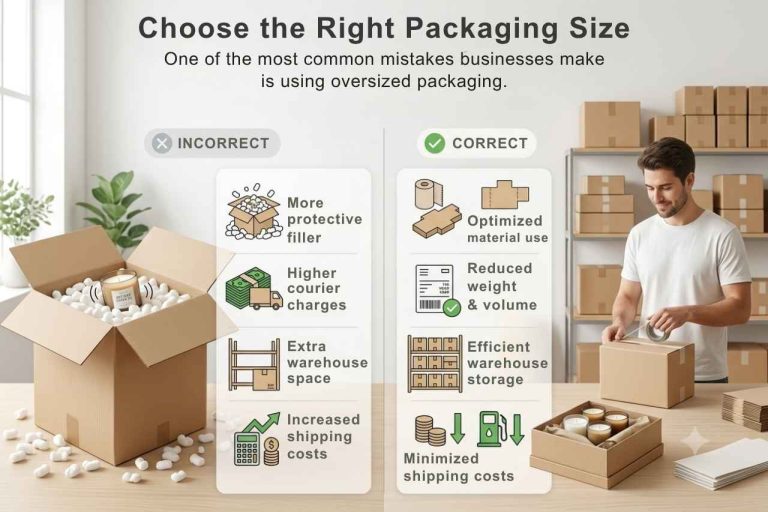
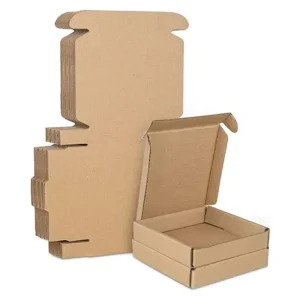
The first step in packaging fragile items is selecting an appropriate box. Avoid boxes that are significantly larger than the item unless you have enough protective material to fill the additional space.
A box that is too small can put pressure on the contents, while excessive empty space can allow the item to move around during transit.
Choose a sturdy cardboard box that is clean, dry and in good condition. For heavier or particularly delicate items, stronger packaging can provide additional support.
Consider the Item’s Shape and Weight
Different products need different packaging approaches. Heavy objects require a box that can support their weight, while oddly shaped items may need additional cushioning around corners and edges.
If you are shipping several fragile items together, wrap each item individually and make sure they cannot knock against one another.
Wrap Fragile Items Properly
One of the most useful materials for packing fragile items is bubble wrap. It creates a cushioning layer around products and helps reduce direct contact between the item and the outer box.
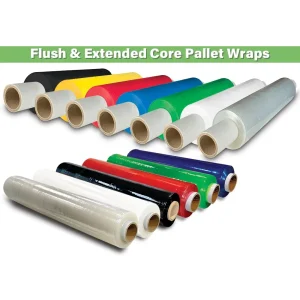
Wrap the entire item, paying particular attention to corners, edges and other vulnerable areas. Secure the wrapping so that it stays in place, but avoid applying excessive pressure to delicate products.
For very fragile items, using multiple layers of suitable cushioning can provide additional protection.
Fill Empty Spaces
Even when an item is wrapped, empty space inside the box can create a problem. If the contents can move around, they may hit the sides of the box during transportation.
Use suitable protective packaging to fill gaps around the wrapped item. Depending on the product, this may include packaging paper, cushioning materials or other appropriate void-fill solutions.
The aim is simple: the item should remain securely positioned inside the box without unnecessary movement.
Protect Multiple Items Separately
When sending several fragile products in one parcel, do not allow them to touch directly. Wrap each item individually and add cushioning between them.
For example, when sending glassware, each piece should have its own protective layer before being positioned inside the box. This reduces the chance of items striking one another during transit.
Seal the Box Securely
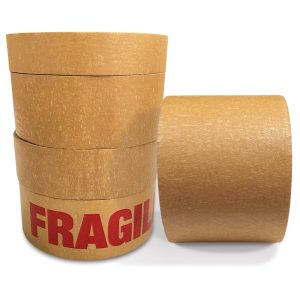
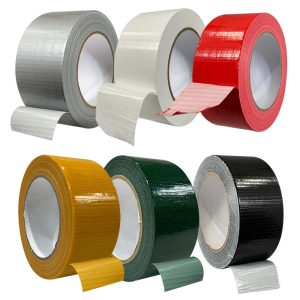
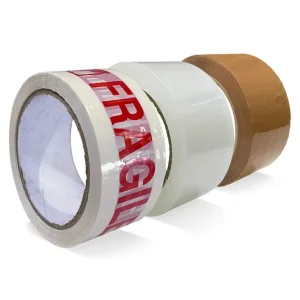
Once everything is packed, close the box properly using strong packing tape. Seal the main opening and reinforce areas that may need additional support.
Check that the flaps are firmly secured and that there are no loose sections where the box could open during handling.
It can also be useful to clearly label a parcel as fragile where appropriate. However, labels should not replace proper internal protection. The packaging itself should provide the main defence against damage.
Test the Package Before Shipping
Before sending your parcel, gently move the box and listen for movement inside. If you can feel or hear the contents shifting, open the box and add more cushioning.
Check the outside of the package for weak points, gaps or loose tape. A few extra minutes spent checking your packaging can help identify problems before the parcel enters the delivery network.
For valuable or especially delicate items, consider whether the chosen packaging is appropriate for the item’s weight, shape and level of fragility.
A Simple Checklist for Packing Fragile Items
Before sending a fragile parcel in the UK, check:
- Is the box strong enough for the contents?
- Is every fragile item individually wrapped?
- Have vulnerable corners and edges been protected?
- Are all empty spaces filled?
- Can the contents move inside the box?
- Is the parcel securely sealed?
- Is the external packaging in good condition?
Following this checklist makes packing fragile items more consistent and helps create a safer parcel from the inside out.
Conclusion
Safe packing fragile items requires more than simply placing a product inside a box. Choosing the right box, using bubble wrap, adding suitable cushioning, filling empty spaces and securely sealing the parcel can all help reduce the risk of damage during delivery.
Whether you are sending household items, gifts or products to customers, taking time to use the right fragile packaging can make the shipping process more reliable and give you greater confidence that your items will arrive safely.