
Key Takeaways
- Right size packaging helps businesses reduce excess cardboard, void fill and unnecessary shipping space.
- Right sizing packaging can lower packaging, storage and transportation costs without compromising product protection.
- Effective packaging optimisation starts with understanding product dimensions, weight, fragility and delivery requirements.
- Smaller, better-fitting boxes can help businesses reduce packaging waste and support more sustainable operations.
- Right-sized packaging can also improve warehouse efficiency and create a better customer unboxing experience.
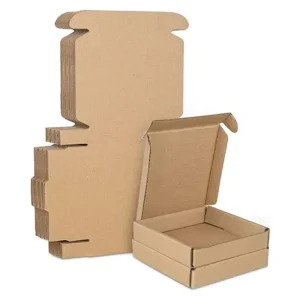
Packaging plays an important role in protecting products, but using a box that is much larger than the item inside can create unnecessary costs and waste. For UK businesses handling e-commerce orders, retail products or regular deliveries, choosing the right box size can make a noticeable difference to both operational efficiency and sustainability.
This is where right size packaging becomes valuable. Instead of relying on a limited selection of standard boxes, businesses can choose packaging that closely matches the size and protection requirements of each product. This approach reduces empty space while still providing sufficient protection throughout storage, handling and delivery.
What Is Right Size Packaging?
Right size packaging means using a box, carton or other packaging format that is appropriately sized for the product inside. The objective is not simply to use the smallest possible box, but to use the most efficient size that provides adequate protection.
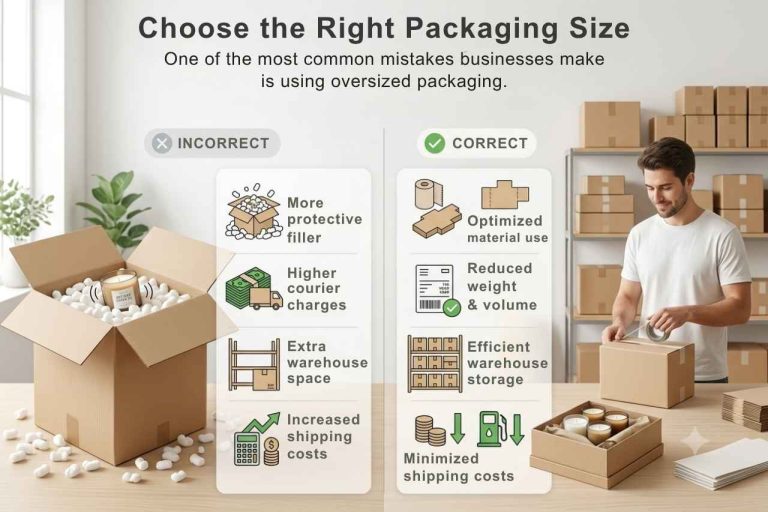
For example, placing a small product inside a large cardboard box and filling the remaining space with paper or plastic void fill uses more material than necessary. A better-sized box can reduce the amount of empty space and minimise the need for additional protective materials.
Good right sizing packaging considers the product’s dimensions, weight, fragility, internal protection and delivery method before selecting the packaging format.
Why Oversized Packaging Can Increase Costs
An oversized box may appear harmless, but the additional space can create costs at several stages of the fulfilment process.
First, larger boxes generally require more cardboard or other packaging material. They may also require additional void fill to prevent products from moving during transportation.
Second, larger parcels take up more warehouse and vehicle space. For businesses shipping high order volumes, even a small increase in parcel dimensions can become significant across hundreds or thousands of deliveries.
Some delivery services also consider parcel dimensions when calculating shipping charges. Reducing unnecessary volume can therefore help businesses manage transportation costs more effectively.
Research and industry guidance consistently identify packaging optimisation as an opportunity to reduce material use, transport requirements and associated costs.
How Right-Sizing Helps Reduce Packaging Waste
One of the biggest advantages of right size packaging is the ability to reduce packaging waste at its source.
Oversized boxes often need extra materials such as:
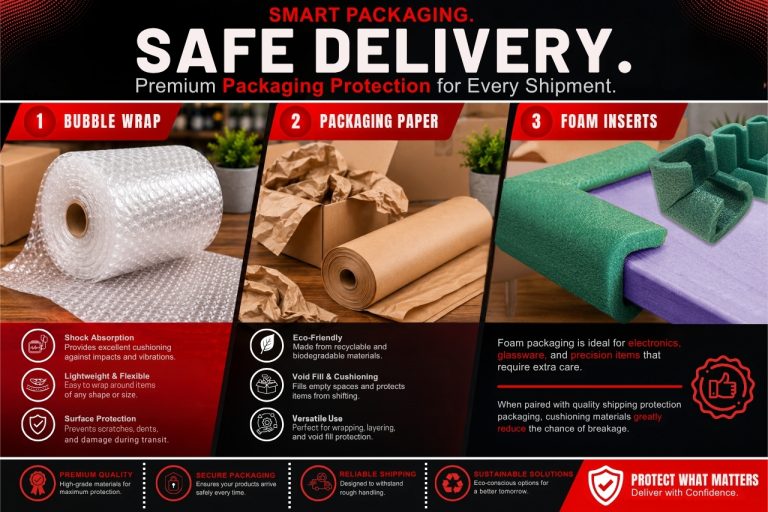
- Paper void fill
- Bubble wrap
- Air pillows
- Foam protection
- Additional cardboard inserts
When the packaging fits the product more closely, less void fill may be required. This means businesses can reduce the total amount of material used for each shipment.
Importantly, reducing packaging does not mean removing protection completely. The goal of packaging optimisation is to use the appropriate amount of packaging for the job rather than simply using less material regardless of the product’s needs. UK guidance similarly recommends reducing unnecessary packaging and void space while maintaining the required function of the packaging.
Benefits of Packaging Optimisation for UK Businesses
A well-planned packaging optimisation strategy can provide benefits beyond waste reduction.
1. Lower Material Costs
Smaller boxes can require less cardboard, while reducing the need for additional void fill. Over time, this can lower the amount spent on packaging materials.
2. More Efficient Storage
Smaller packaging takes up less space in warehouses. Businesses can potentially store more packaging stock within the same area and reduce the space dedicated to bulky cartons.
3. Better Transport Efficiency
When parcels take up less space, more products may fit into vehicles, cages or pallet configurations. This can improve distribution efficiency and reduce unnecessary transport space.
4. Improved Product Protection
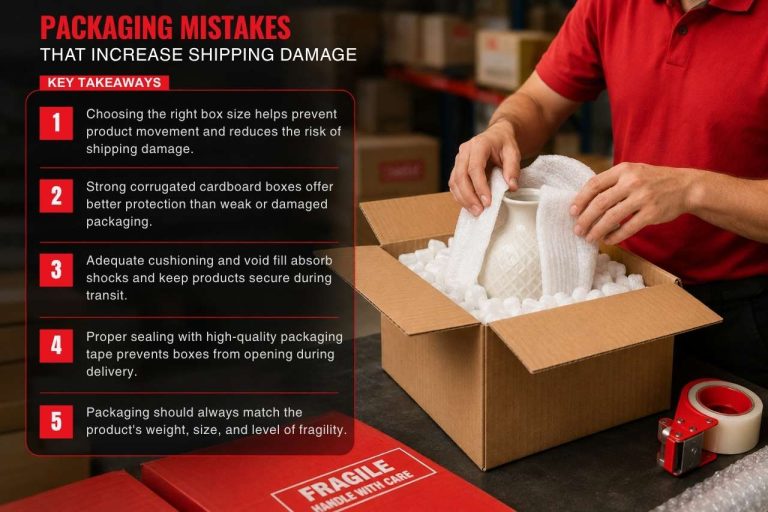
A box that is too large can allow its contents to move during handling and transit. A correctly sized box can hold products more securely and reduce unnecessary movement.
5. Better Customer Experience
Customers increasingly notice excessive packaging. Receiving a small product inside an unnecessarily large box can create a poor impression. Right-sized packaging can provide a cleaner, more professional unboxing experience while reducing disposal requirements.
How to Implement Right Sizing Packaging
Businesses do not need to redesign their entire packaging operation overnight. Start by reviewing the products and orders that are shipped most frequently.
Measure the length, width and height of your products and compare these dimensions with your existing boxes. Identify where significant gaps exist and record how much void fill is being used.
Next, group products according to their packaging requirements. You may find that a smaller range of carefully selected box sizes can cover most orders efficiently.
For products shipped in large volumes, consider custom-sized or adjustable packaging. This can provide a closer fit than relying entirely on generic standard cartons.
Finally, test the new packaging before making a full change. Check product protection, packing speed, storage requirements and delivery performance. The objective is to achieve a practical balance between protection, cost and material efficiency.
Right Size Packaging: A Smarter Approach to Sustainable Shipping
Sustainable packaging is not simply about replacing one material with another. A recyclable box can still be inefficient if it is significantly oversized or requires large amounts of additional material.
Right size packaging takes a more practical approach by asking a simple question: how much packaging is actually needed to protect and deliver this product?
By reducing unnecessary space, material and void fill, businesses can reduce packaging waste while potentially improving storage, packing and transportation efficiency.
For UK businesses looking to improve their packaging strategy, right sizing packaging can be a practical step towards a more cost-effective and sustainable fulfilment process.