
Key Takeaways
- Wrap every glass item individually before placing it in a box.
- Use bubble wrap or suitable protective packaging for cushioning.
- Fill empty spaces to prevent items from moving during transit.
- Choose a strong, appropriately sized cardboard box.
- Clearly mark boxes containing fragile items and handle them carefully.
Packing glassware can be challenging because glasses, mugs, bottles and other delicate items can easily crack or break during a move or delivery. Whether you are moving house, sending a parcel or storing valuable glass items, using the right packing method can make a significant difference. In this guide, we explain how to pack glassware safely using suitable materials and practical techniques to reduce the risk of damage.
Choose the Right Packaging Materials
Successful glass packaging starts with choosing suitable materials. Avoid putting unprotected glass directly into a cardboard box, as movement and impact can cause cracks or breakage.
Useful materials include:
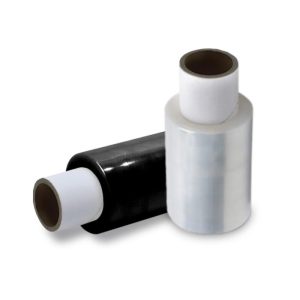
- Packing paper for wrapping individual items
- Bubble wrap for additional cushioning
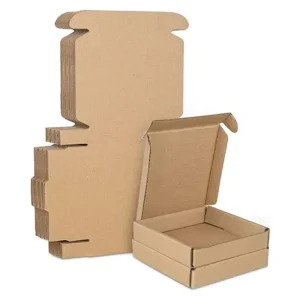
- Strong cardboard boxes
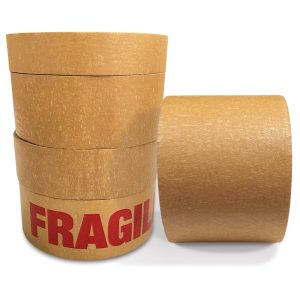
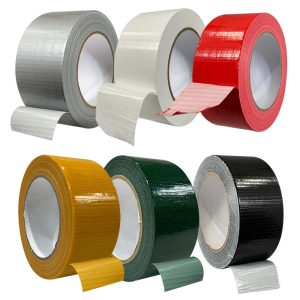
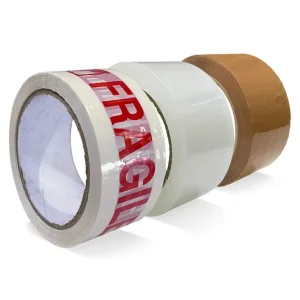
- Packing tape for securely sealing boxes
- Crumpled paper or other suitable void-fill material
- Fragile labels for boxes containing delicate items
For heavier glassware, select a sturdy box that can support the total weight without becoming damaged.
How to Pack Glassware Step by Step
1. Prepare the Glassware
Before you begin packing glass, check every item for existing cracks or chips. Clean and dry the glassware, then group similar-sized items together.
Avoid packing too many pieces into one box. A heavy box can be difficult to move and may place unnecessary pressure on the items inside.
2. Wrap Each Item Individually
Place a sheet of packing paper on a flat surface and position the glass in the centre. Wrap it carefully, making sure the entire item is covered.
For additional protection, wrap the paper-covered glass in bubble wrap and secure it with a small amount of tape. Pay particular attention to delicate areas such as stems, handles and thin rims.
Each piece should have its own protective layer rather than being placed together without cushioning.
3. Add Cushioning to the Box
Before putting the glassware into the box, create a protective base using crumpled packing paper or another suitable cushioning material.
Place the heaviest and most durable items towards the bottom, while lighter and more delicate pieces should go towards the top. If possible, keep space between individual items using suitable packing material.
4. Fill Empty Spaces
One of the most important steps when learning how to pack glassware is preventing movement inside the box.
Once everything is positioned, fill gaps around and between the items with additional packing material. There should be enough cushioning to stop the contents from shifting when the box is gently moved.
However, avoid applying excessive pressure. Glassware needs protection without being tightly compressed.
5. Seal and Label the Box
Close the box securely using strong packing tape. Check that the base and seams are properly sealed before lifting it.
Clearly mark the box as “Fragile – Handle with Care” if it contains delicate glassware. If the parcel is being shipped, make sure the outer packaging is appropriate for the delivery service and that the contents are protected against normal handling during transit.
Common Glass Packing Mistakes to Avoid
Even good-quality packaging can be ineffective if the items are packed incorrectly.
Avoid these common mistakes:
- Using an oversized box: Too much empty space allows glassware to move around.
- Overfilling the box: Excessive weight can increase pressure on the items.
- Skipping individual wrapping: Unprotected glasses can knock against one another.
- Leaving gaps: Empty spaces allow movement and increase the chance of damage.
- Using damaged boxes: Weak or previously damaged packaging may not provide enough support.
- Forgetting the base cushioning: A protective layer at the bottom helps reduce impact.
Taking a few extra minutes to pack carefully can help make the moving or shipping process much safer.
Tips for Different Types of Glassware
Different items may require slightly different approaches. Wine glasses, for example, have thin stems and should receive extra cushioning around these vulnerable areas. Mugs and glasses with handles should also be wrapped carefully around the handle.
For plates, bowls and similar flat glass or ceramic items, avoid placing them flat in large stacks. Where appropriate, position them securely with protective material between individual pieces.
For valuable or particularly delicate items, consider using additional layers of cushioning and a suitably strong outer box.
Final Thoughts
Knowing how to pack glassware properly can help reduce the risk of cracks, chips and breakage during moving or shipping. The key is to wrap items individually, use enough cushioning, prevent movement and choose strong packaging that suits the contents.
Whether you are packing a few household glasses or preparing multiple fragile items for delivery, careful glass packaging can provide valuable protection. With packing paper, bubble wrap, suitable boxes and secure sealing, you can prepare glassware more confidently for its journey.