
Key Takeaways
- The amount of bubble wrap you need depends on the product’s size, weight, shape and fragility.
- Most fragile items need at least one complete layer, while delicate or high-value products may need multiple layers.
- Small bubbles are useful for surface protection, while larger bubbles provide greater cushioning for heavier products.
- Always wrap fragile products individually and prevent movement inside the box.
- Choosing the right bubble wrap roll can reduce material waste while improving protection during delivery.
When preparing a parcel, one of the most common questions is how much bubble wrap do I need? Using too little can leave products exposed to knocks and vibration, while using too much can increase packaging costs and parcel size.
The right amount depends on what you are sending. A ceramic mug, laptop, mirror and large household item all require different levels of protection. Bubble wrap should therefore be selected according to the product rather than simply using the same number of layers for every parcel.
How Much Bubble Wrap Do You Need?
There is no single amount that works for every product. As a practical starting point, the item should be completely covered, with enough overlap to keep the wrapping secure.
For many everyday fragile products, 2–3 layers of bubble wrap provide a useful level of cushioning. Very delicate, valuable or unusually shaped products may require additional layers or a combination of bubble wrap, cardboard and other protective packaging.
When calculating your requirements, consider:
- Product dimensions
- Weight and fragility
- Sharp corners or edges
- Distance and delivery conditions
- Amount of empty space inside the box
- Type and size of bubble wrap
Royal Mail recommends surrounding fragile items with at least 5cm of cushioning material, while Parcelforce guidance also stresses that individually wrapped items should not be able to move around inside the parcel.
How Much Bubble Wrap Do You Need for Different Products?
Glassware and Ceramics
Glasses, mugs, plates, vases and ceramic ornaments can crack or break when exposed to sudden impacts.
For these products, use 2–3 layers of small or medium bubble wrap, depending on their shape and fragility. Wrap each item individually rather than placing several products together.
Add cardboard dividers when packing multiple pieces in one box. This prevents the products from hitting one another during transport.
Electronics
Laptops, monitors, gaming equipment and other electronics need protection against scratches, impact and movement.
Use enough bubble wrap to cover the complete product, generally with 2–3 layers for fragile equipment. For screens, add a rigid protective layer where appropriate rather than relying on bubble wrap alone.
For sensitive electronic equipment, anti-static bubble wrap may also be appropriate.
Bottles and Containers
Glass bottles can be particularly vulnerable around their necks, bases and sides.
Wrap each bottle separately and make sure the bubble wrap extends around the entire product. Use additional cushioning around the base and between bottles.
For multiple bottles, sturdy dividers or separate compartments can provide an additional layer of protection.
Mirrors, Frames and Artwork
Large flat products such as mirrors, picture frames and artwork need protection against both impact and pressure.
Use several layers of bubble wrap and pay particular attention to corners and edges. Adding cardboard sheets around the wrapped item can provide additional structural support.
For high-value artwork or fragile framed products, consider double-boxing rather than relying on bubble wrap alone.
Furniture and Large Items
Large products generally require more material because of their surface area. However, simply adding many layers of bubble wrap is not always the best approach.
Use larger-bubble material for additional cushioning and combine it with corner protection, cardboard or foam where necessary. Large bubbles are particularly useful when protecting heavier or bulky products because they provide a deeper cushioning layer.
Small Bubble Wrap vs Large Bubble Wrap
Choosing the correct bubble wrap roll can make a significant difference to your packaging process.
Small bubble wrap fits closely around products and is particularly useful for lightweight, delicate items and surface protection. It can also help keep the overall parcel size down.
Large bubble wrap provides deeper cushioning and is better suited to larger, heavier or more vulnerable products. It can also help fill gaps around products inside larger boxes.
For some products, combining both types can be effective: use smaller bubbles close to the product for surface protection and larger bubbles as an outer cushioning layer.
How to Calculate the Amount You Need
A simple way to estimate your requirements is to measure the item before purchasing your packaging material.
Start by measuring the product’s length, width and height. Then allow extra material for overlapping the edges and securing the wrap with tape.
If you are packing several products, calculate the requirement for one item first and multiply it by the number of products. Add some extra material for corners, overlaps and occasional damaged sections.
For example, if you need approximately 1 metre of wrap to comfortably cover one product and you have 20 identical products, you would need around 20 metres as a starting point. Adding a small allowance for overlap and packing waste gives you a safer purchasing estimate.
This approach is more useful than choosing a bubble wrap roll based only on its length.
Best Practices for Bubble Wrap Packaging
Good bubble wrap packaging is not simply about adding more layers. The complete packing system matters.
- Wrap each product individually: This reduces the chance of products colliding with each other.
- Cover the entire product: Do not leave corners, edges or exposed surfaces unprotected.
- Secure the wrap correctly: Use packing tape around the bubble wrap rather than applying adhesive directly to the product.
- Fill empty spaces: A wrapped item can still be damaged if it moves around inside a large box. Use suitable void fill to keep it stable.
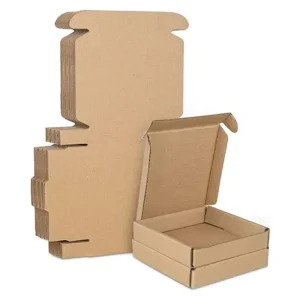
- Choose the right box: The carton should provide enough space for cushioning without being unnecessarily oversized.
- Test the finished parcel: Gently shake the sealed box. If the contents move significantly, add more protective packaging.
Royal Mail specifically recommends wrapping fragile items with bubble wrap and using additional cushioning, while packaging guidance recommends preventing internal movement during transit.
Avoid These Common Bubble Wrap Mistakes
One of the biggest mistakes is assuming that more bubble wrap automatically means better protection. Excess material can increase parcel dimensions without solving the main problem.
Avoid using:
- Only one thin layer for highly fragile products
- Bubble wrap without securing the product inside the box
- An oversized box with large empty spaces
- The same bubble size for every product
- Bubble wrap as the only protection for very heavy or sharp objects
Remember that bubble wrap is one part of a complete protective packaging solution. Cardboard, corner protection, void fill and strong cartons may all be necessary depending on the product.
Final Thoughts
So, how much bubble wrap do I need? For most fragile products, start by completely covering the item and consider 2–3 layers, then increase protection for particularly delicate, heavy or valuable products.
The best result comes from matching the bubble size and number of layers to the item, rather than using a fixed amount for every parcel. By combining the right bubble wrap roll with a suitable box, cushioning and void fill, you can create reliable packaging that helps products arrive safely across the UK.