
Key Takeaways
- Choose the box size based on what you need to store and how often you need to access it.
- Cardboard storage is useful for documents, household belongings, office supplies and business stock.
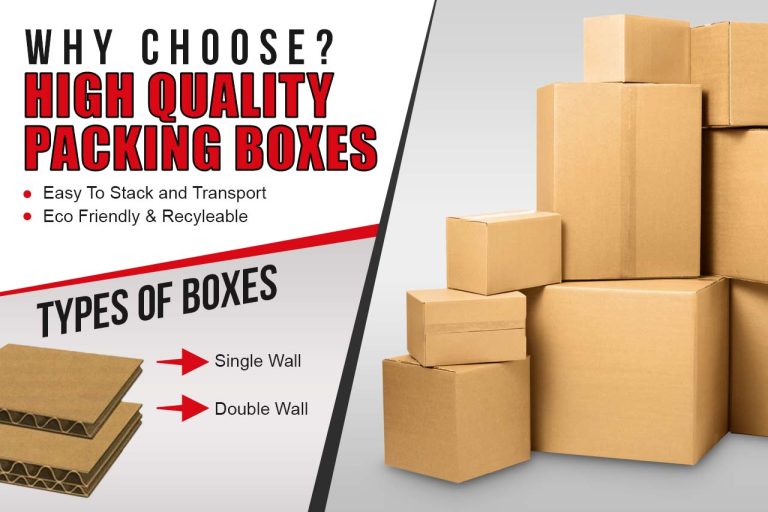
- Stronger cardboard boxes are better suited to heavier or bulky items.
- Cardboard boxes with lids can make storage, access and organisation more convenient.
- Label each box clearly to make finding stored items quicker and easier.
Keeping your belongings organised is much easier when you have the right storage solution. Cardboard storage boxes are a practical choice for homes, offices and businesses because they are lightweight, easy to handle and available in different sizes. Whether you are storing documents, household items, stock or seasonal belongings, choosing the right box can help keep everything protected and organised.
In this guide, we explore the best cardboard storage options for different needs and explain what to consider when choosing storage boxes for your home or workplace.
Why Choose Cardboard Storage Boxes?
Cardboard storage boxes offer a simple way to organise items without taking up unnecessary space. They can be used in cupboards, lofts, garages, offices, stockrooms and warehouses.
One of the main advantages is their versatility. Different sizes and designs can accommodate everything from paperwork and books to clothing and packaged products.
Cardboard is also lightweight, making boxes easier to move when reorganising a room or relocating stock. When no longer required, cardboard boxes can generally be recycled through appropriate recycling facilities, subject to local arrangements and the condition of the material.
Best Cardboard Storage Options for Different Needs
Not every storage requirement is the same. Selecting the right type of box can make a noticeable difference to organisation and convenience.
1. Storage Boxes for the Home
At home, cardboard boxes can be useful for storing seasonal clothing, books, toys, decorations, paperwork and other household belongings.
Smaller boxes are suitable for lighter items and can be placed on shelves or inside cupboards. Larger boxes can be useful for bulky belongings, but avoid overfilling them with heavy items, as this can make them difficult to lift and handle.
For long-term storage, keep boxes in a clean, dry area away from excessive moisture.
2. Cardboard Storage for Offices
Offices often need practical ways to organise paperwork, stationery, archived documents and supplies. Cardboard storage boxes can help keep these items together while making storage areas easier to manage.
For documents, choose a box that provides enough room without leaving papers loosely packed. Labelling each box with its contents or storage date can also make it easier to find specific files later.
If boxes are being stacked, make sure they are stable and suitable for the weight being stored.
3. Storage Boxes for Businesses
Businesses may use cardboard boxes for stock, packaging supplies, records, spare materials or equipment. The ideal choice depends on the type and quantity of items being stored.
For heavier products, look for appropriately strong cardboard construction. For lighter stock, standard storage boxes may be sufficient.
Businesses can also benefit from using consistent box sizes. Uniform boxes are generally easier to label, arrange and stack, helping create a more organised storage area.
Cardboard Boxes with Lids: When Should You Use Them?
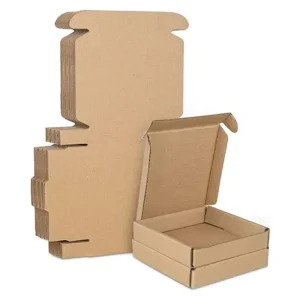
Cardboard boxes with lids can be particularly useful when you need frequent access to stored items. Instead of opening a taped box, a removable or folding lid can make it easier to check the contents.
They are useful for:
- Office documents and records
- Craft and hobby materials
- Household belongings
- Small business stock
- Seasonal items
- Supplies that need regular access
When choosing a lidded box, consider whether the lid fits securely and whether the box is strong enough for its intended contents.
How to Choose the Right Storage Box
Before buying cardboard storage boxes, consider four key factors:
1. Size
Choose a size that matches the items being stored. A box that is too large may encourage overfilling, while a box that is too small may leave items cramped.
2. Strength
Consider the weight of the contents. Books, files and other dense items may require stronger boxes than clothing or lightweight household goods.
3. Accessibility
If you need to access the contents regularly, boxes with lids can be more convenient than permanently sealed cartons.
4. Storage Location
Think about where the boxes will be kept. A dry indoor location is generally preferable for cardboard, particularly for long-term storage.
Tips for Better Cardboard Storage
Good organisation can make cardboard storage much more effective. Label every box clearly and group similar items together. Keep heavier boxes at lower levels when stacking and avoid creating unstable piles.
It is also useful to maintain a simple list of what is stored in each box, particularly when managing business stock or archived paperwork.
For long-term storage, check boxes occasionally for signs of damage or moisture and replace any box that is no longer suitable.
Conclusion
The right cardboard storage boxes can make organising a home, office or business considerably easier. From everyday household storage to office records and business stock, there are options to suit different sizes, weights and access requirements.
At Go Packaging, by choosing the appropriate size and strength, using cardboard boxes with lids where convenient, and keeping everything clearly labelled, you can create a practical and organised storage system that works for your needs.